“Learn to read symptoms not only as problems to be overcome but as messages to be heeded.”
Specialties
Your story goes beyond a diagnosis.
Family, relationships, culture, identity, biology, and community shape your experience. So do capitalism, oppression, privilege, and the systems around you.
Diagnosis offers language.
Your story adds context.
A diagnosis can guide treatment. You may know yours, be newly diagnosed, question it, or have no label. We’ll explore what’s happening clinically and how you came to be here.
When Safety & Trust Have
Been Broken
Trauma, Abuse, Violence & Reclaiming Safety
Therapy for the experiences which are difficult to name.
In-person in Berkeley
Virtual across California
Some of the language and experiences named here may be difficult to metabolize. Please move through this space in the way that feels right for you.

You don't need the perfect word before you're allowed to talk about it.
Sexual abuse. Incest. Childhood abuse. Domestic or intimate partner violence. Coercion. Being touched or sexualized when you were too young to understand what was happening. Experiences where consent was absent, manipulated, complicated or ignored.
Sometimes you know exactly what happened.
Sometimes you don’t know what to call it.
You may remember everything—or only pieces. You may have spent years telling yourself it “wasn’t that bad,” especially if you loved the person who hurt you, stayed, returned, or still have contact with them.

Those questions deserve somewhere to exist without interrogation or judgment. I don't believe healing requires telling me every detail of what happened. You don't have to produce a perfectly organized trauma story.
Your pace matters. Your agency matters.
Trauma doesn't only affect memory.
It can change how safe you feel in your body, how you experience sex and intimacy, how you respond to conflict, whether you trust your instincts, and what happens when another person gets emotionally or physically close.
And then come the questions.
Why didn't I leave?
Why didn't I fight?
Why did I freeze?
Why do I still care about them?
Why am I thinking about this now?
“You may not control all the events that happen to you, but you can decide not to be reduced by them.”
— Maya Angelou
But healing can also look surprisingly ordinary.
Sleeping better. Laughing without scanning the room. Having an argument without feeling terrified. Enjoying sex. Saying no without writing a five-paragraph explanation. Choosing people who feel safe.
What happened matters. But it does not get to be the only author of what comes next.
When abuse happened within a family, the complexity can be enormous.
The person who caused harm may also be connected to parents, siblings, finances, caregiving, holidays, culture, community and people you still love. Naming one person's behavior can feel like threatening an entire family system built around not naming it.
That's heavy.
Healing can involve grief, anger, boundaries, reconnecting with your body, understanding survival responses, relearning trust, exploring sexuality and intimacy, and deciding which relationships you want now.

You might be here because you’re…
carrying the impact of sexual abuse, incest, or other childhood trauma
healing from intimate partner violence, coercion, or betrayal
struggling with trust, boundaries, or feeling safe in relationships
navigating changes in sexuality, intimacy, or connection after trauma
carrying family secrecy, silence, or experiences that were never fully acknowledged
noticing trauma responses that still show up in your body, emotions, or relationships
finding yourself in relationship patterns you want to better understand or change
wanting a space where your experiences can be explored at your own pace
Ever-Evolving
Therapy for women and girls in all the ways we become, change, question, outgrow, and come home to ourselves.
In-person in Berkeley
Virtually across California

There are an astonishing number of opinions about how women should live.
Be ambitious. But don't be intimidating.
Be independent. But remain accommodating.
Have children. But don't lose yourself.
Build a career. But don't wait too long.
Age naturally. But somehow don't look older.
Have boundaries. But remain likable.
Speak up. But watch your tone.
It's exhausting.
Women have freedoms previous generations fought hard for. Education. Financial independence. Careers. The ability to leave relationships. Greater choices about marriage, sexuality, motherhood and how we construct our lives.
The old expectations didn't magically disappear. So now many of us are living with both.
Add puberty, hormones, sexuality, pregnancy, new motherhood, choosing not to become a parent, perimenopause, menopause,
aging and changing bodies and suddenly biology, psychology, culture, family and politics are all having a meeting nobody asked for.
And yes, the internet has an opinion too.
Being first can feel incredibly freeing. It can also be lonely.
This space includes cisgender women, transgender women, girls, and nonbinary or gender-expansive people who have a meaningful relationship with femininity.
Which expectations are yours, which ones did you inherit, and which ones are you ready to put down?
For immigrants and children of immigrants, there can be another layer.
I understand why my family believes this. I love where I come from. And I don't necessarily want to live the same way.
Sometimes you're the first:
The first woman to financially support herself.
The first to leave an unhappy relationship.
The first not to marry.
The first to choose not to have children.
The first to openly love differently.
The first to name something everyone else agreed not to talk about.
“If any female feels she need anything beyond herself to legitimate and validate her existence, she is already giving away her power to be self-defining, her agency.”
— bell hooks

You might be here because you’re…
navigating anxiety, depression, ADHD, or feeling overwhelmed
moving through puberty, changing relationships, sexuality, or questions about who you are
healing from a breakup, divorce, or another significant relationship change
adjusting to new motherhood or exploring what it means to choose not to parent
navigating perimenopause, menopause, aging, or changes in your relationship with your body
carrying pressure around career, achievement, caregiving, or cultural expectations
questioning the roles you have been given and deciding which ones still belong to you
wanting more freedom to define your life, relationships, identity, and future on your own terms
Riding the Threshold
Teens & Young Adults
Therapy for that strange period of life when everyone keeps asking what you're going to become while you're still figuring out who you are.
In-person in Berkeley
Virtual across California

And while all of this is happening, young people are navigating anxiety, depression, ADHD, academic pressure, family expectations, friendships, sexuality, body image, social media, loneliness and an increasingly complicated world.
They are also funny, creative, intense, imaginative, idealistic and often far more perceptive than adults give them credit for.
Teenagers and young adults live in the in-between.
Childhood → adulthood
Dependence → independence
High school → college → work
Family identity → individual identity
First relationships → first heartbreaks
Living at home → leaving
That’s a lot.
I don't believe teenagers need another adult whose primary job is telling them what they're doing wrong.
They need boundaries and accountability, absolutely.
They also need adults who can tolerate uncomfortable conversations without immediately panicking, lecturing or trying to turn every behavior into a pathology.
For children of immigrants, becoming independent can raise particularly difficult questions:
How much of the life my family imagined for me do I actually want?
What do I owe my parents?
Can I choose differently without rejecting where I come from?
Young adulthood isn't magically easier.
Suddenly you're supposed to understand careers, money, sex, relationships, housing, marriage, children, friendship and what you want your entire life to look like. Meanwhile, everyone else seems to have figured it out.
They haven't.
A threshold isn't only the place you're leaving. It's where something new gets to begin.
You might be here because you’re…
dealing with anxiety, depression, ADHD, or feeling overwhelmed
struggling with school pressure, grades, college decisions, or what comes next
navigating conflict with family or changing relationships at home
figuring out friendships, dating, sexuality, or where you fit in
questioning your cultural identity, body image, or sense of self
feeling lonely, disconnected, or like other people have it figured out
preparing to leave home, starting college, or adjusting to more independence
uncertain about your career, future, or the kind of life you want to build
Given & Chosen Family
Family, Estrangement & the Cycle Breakers
Therapy for those who are deciding what continues through you and what ends with you.
In-person in Berkeley
Virtual across California
Every family has some dysfunction. But how dysfunctional?
Families misunderstand each other. Parents screw up. Siblings fight. People say things they regret. Holidays get weird. There is no perfectly regulated family sitting around a dinner table using "I statements" and flawlessly repairing every rupture.
A more useful question may be:
When does ordinary family imperfection become something that continues to wound us?
Maybe you grew up walking on eggshells, without boundaries, or in a family where achievement mattered more than vulnerability.
Maybe the conflict was loud or painfully silent.
Your childhood may have looked fine from the outside: food, education, opportunity, parents who sacrificed deeply. And something still hurt.
Both can be true.
Estrangement can bring enormous relief. It can also bring grief, guilt, anger, doubt and the persistent question: Am I doing the right thing?
Where are my cycle breakers at?
Breaking a cycle sounds empowering until you're the person actually doing it.
Sometimes it means disappointing people you love.
Setting boundaries your family doesn't understand.
Parenting differently.
Choosing not to become a parent.
Leaving a marriage.
Questioning cultural traditions.
Refusing to carry a family secret.
It could even mean reducing contact or ending a relationship.
I'm not automatically pro-reconciliation or pro-estrangement. I'm interested in
Not what family is supposed to look like.
What happened? What keeps happening? Is repair possible? What would genuine repair actually require?
And if the relationship cannot become what you hoped it would be, what does acceptance look like and what might you build in its place?

You might be here because you’re…
navigating conflict, distance, or estrangement within your family
trying to set boundaries without losing connection
carrying childhood wounds into adult relationships
working through a complicated parent and adult-child relationship
feeling the weight of cultural or intergenerational expectations
adjusting to divorce, new parenthood, caregiving, or choosing not to parent
navigating sibling relationships or changing family roles
building chosen family or questioning what family means to you
noticing patterns that have been passed down and deciding what you want to carry forward
Identity & Belonging
Therapy for who you were, who you are, and who you are becoming.
In-person in Berkeley
Virtually across California
We spend years being told who we are.
The responsible one. The difficult one. The successful one. Daughter. Son. Immigrant. American. Caregiver. Professional. Partner. Parent. Outsider. Achiever. Survivor.
Some identities fit. Some used to.
And some were handed to us before we were old enough to ask whether we wanted them.
Then life happens.
A relationship ends. You change careers. You become a parent—or decide you don't want to. You move away from family. You reconnect with your culture or begin questioning parts of it. Your body changes. Someone dies. You achieve the thing you spent years chasing and think:
Wait. Is this it? Who am I now?

Identity isn't fixed.
Therapy doesn't have to be about turning you into a more functional version of who you've always been. Sometimes anxiety is anxiety. Depression can be debilitating. Trauma affects our bodies, relationships, and nervous systems. I take symptoms seriously. But I'm also interested in what surrounds them.
What have you hidden in order to belong?
Who were you rewarded for becoming?
Which parts of yourself became inconvenient?
For immigrants and children of immigrants, these questions can become even more complicated. Multiple cultures, histories, languages, expectations and definitions of "success" can coexist inside one person.
You can love where you come from and question it.
You can belong to more than one place and occasionally feel like you belong nowhere.
Those contradictions don't have to be resolved neatly. Sometimes you're not losing yourself. You're meeting a version of yourself you haven't met before.

You might be here because you’re…
navigating questions of identity, culture, or belonging
carrying anxiety, depression, grief, or uncertainty
adjusting to immigration, cultural change, or life between different worlds
moving through a career change, divorce, estrangement, or shifting relationship
trying to understand who you are after a major life transition
questioning what matters to you, where you belong, or what you want next
“But if we understand anything of the unconscious, we know that it cannot be swallowed. We also know that it is dangerous to suppress it, because the unconscious is life and this life turns against us if suppressed, as happens in neurosis. Conscious and unconscious do not make a whole when one of them is suppressed and injured by the other.”
— C.J. Jung
Resistance & Persistence
Activism, Politics & the World We Live In
Therapy for what is happening in the world.
In-person in Berkeley
Virtual across California

Therapy is political.
We don't magically leave racism, sexism, caste, war, economic inequality, immigration, reproductive rights, homophobia, transphobia, political violence, climate anxiety or community grief outside the therapy room.
These things affect our bodies, our relationships, our families, our identities, and our sense of safety.
Human dignity, however, is not a partisan position.
I work well with activists, organizers, advocates, public servants, community leaders, politically engaged people and people who simply find themselves unable to look away from what is happening around them.

Caring deeply can have a psychological cost.
I work well with activists, organizers, advocates, public servants, community leaders, politically engaged people and people who simply find themselves unable to look away from what is happening around them.
Activism can create meaning, friendship, solidarity and community.
It can also create burnout, grief, rage, disillusionment, secondary trauma and the persistent feeling that whatever you're doing is never enough.
Rest starts feeling morally suspicious. Joy produces guilt. Taking a weekend off feels irresponsible because the problem didn't take a weekend off.
And sometimes movements created to challenge harmful systems reproduce painful dynamics themselves. We can talk about that too.
“When we revolt it’s not for a particular culture. We revolt simply because, for many reasons, we can no longer breathe”
― Frantz Fanon
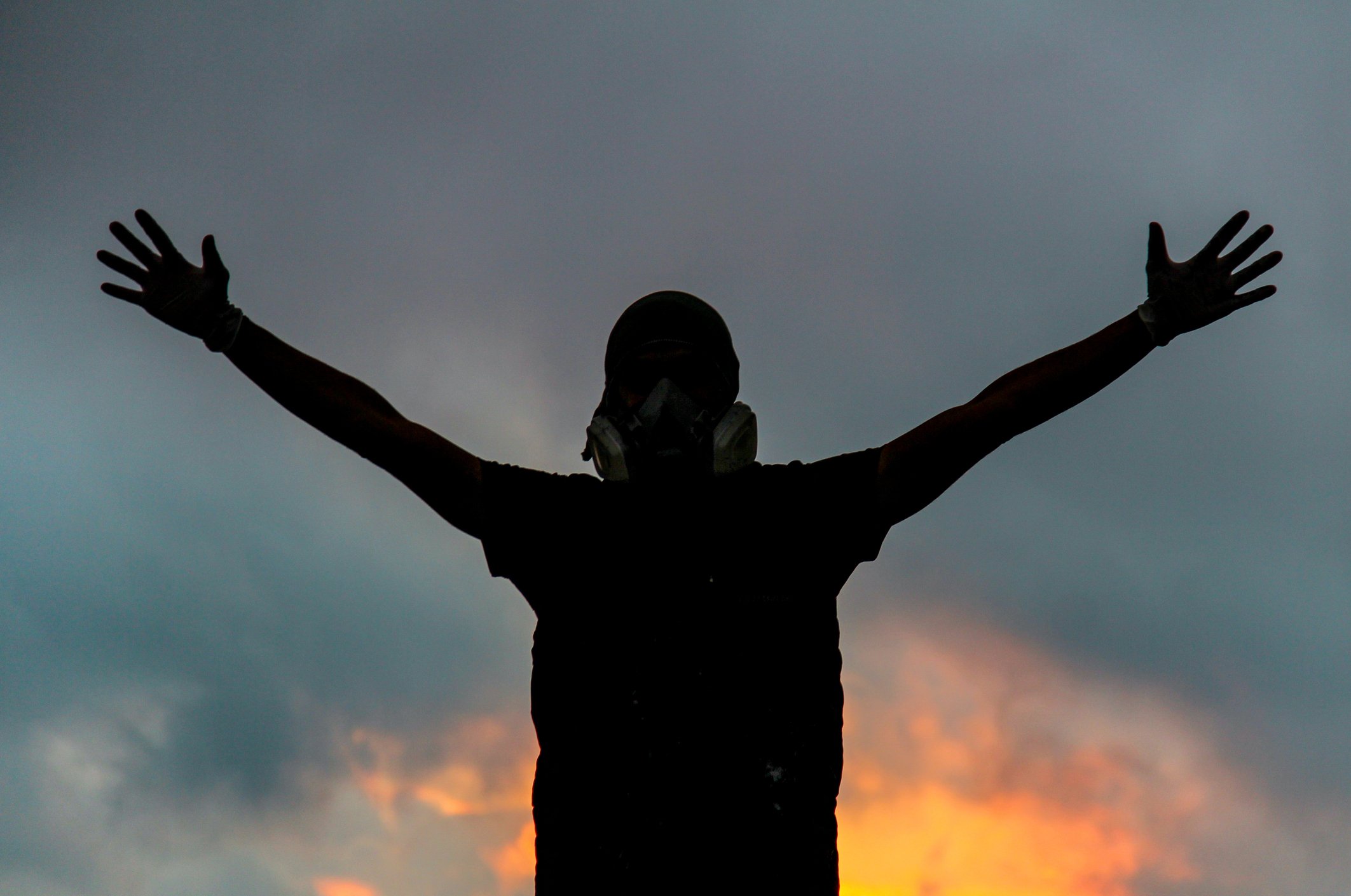
There needs to be room for complexity.
My graduate research explored activism and social change through depth psychology, attachment and liberation-oriented thought. I'm interested not only in resistance, but in what makes resistance psychologically sustainable.
Therapy with me isn't about making you less angry, less engaged or more comfortable with injustice.
And I won't assume that because we both care about human rights, we share every political belief. We may not.

You might be here because you’re…
feeling burned out by activism, organizing, or advocacy work
carrying political grief, anger, or disillusionment
struggling with the emotional weight of witnessing harm or injustice
questioning how to stay engaged without losing yourself in the process
navigating moral injury, secondary trauma, or community conflict
feeling anxious, depressed, or emotionally exhausted
rethinking your identity, values, or sense of belonging
trying to set boundaries without disconnecting from the people or causes you care about
looking for a more sustainable way to remain engaged
You are allowed to resist. You are also allowed to rest.